The Rhythm of Kyoto: Cedar Pavilions and the Quiet Art of Ryokans
How the deliberate absence of ornamentation and the ritual of morning sweeping create spaces of timeless calm in Japan ancient capital.
Dawn in the eastern hills of Kyoto arrives not with an alarm, but with the steady, rhythmic friction of bamboo brooms upon crushed granite gravel.
In the quiet district of Higashiyama, cedar-framed ryokans have stood for centuries beneath the canopy of towering Japanese cryptomeria trees. Here, hospitality—or omotenashi—is not expressed through conspicuous grandiosity, but through thoughtful nuance: the angle at which sliding shoji screens catch the morning sun, the fresh spring water drawn for the midday matcha whisking, and the aromatic warmth of hinoki cypress soaking tubs.
The Architectural Philosophy of Empty Space
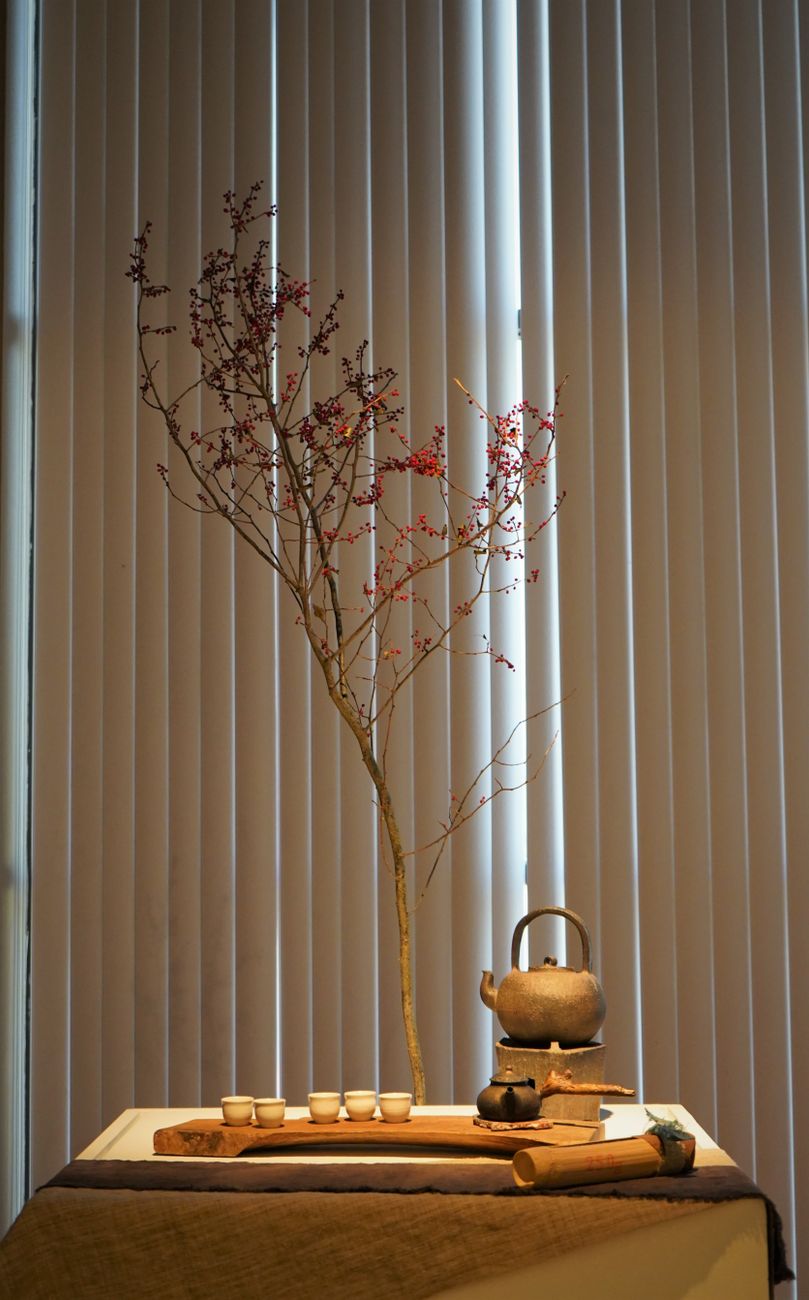
In traditional Japanese interior craft, space is understood as ma—the meaningful pause between physical objects. A tatami guestroom does not seek to overwhelm the senses with artwork. Instead, an alcove known as the tokonoma displays a single seasonal wildflower and a modest hanging scroll brushstroke. This reduction allows the visitor attention to reset, shifting inward toward breath, shadow, and silence.
“To step across the threshold of a centuries-old inn is to surrender modern acceleration. Time bends to the slow boiling of the iron kettle.”
Culinary Art: Kaiseki as Seasonal Poetry
Evenings inside the ryokan center upon kaiseki dining: a multi-course progression that mirrors the precise micro-season of the valley. Sweet mountain herbs gathered at sunrise, wild sea bream cured in kelp, and silken tofu simmered in earthenware pots over charcoal offer a direct line to regional terroir. There are no heavy sauces; the chef intent is to reveal the natural sweetness of each harvest root.
Editorial Travel Advice: Higashiyama
- Recommended Season: Late October to early November for autumn foliage, or late April for lush moss emergence.
- Transit Protocol: Arrive by Shinkansen into Kyoto Station, followed by an unhurried electric taxi to the foot of Nanzen-ji temple.
- Etiquette Note: Always remove footwear before stepping onto raised tatami floors.
As darkness envelops the moss garden outside, the paper lamps illuminate the cedar grain, reminding the traveler that true luxury is not accumulation, but deep, unadorned presence.