Echoes Above Clouds: High Alpine Architecture in South Tyrol
Exploring vernacular timber cabins and low-impact engineering nestled amongst dramatic limestone crags in the Italian Dolomites.
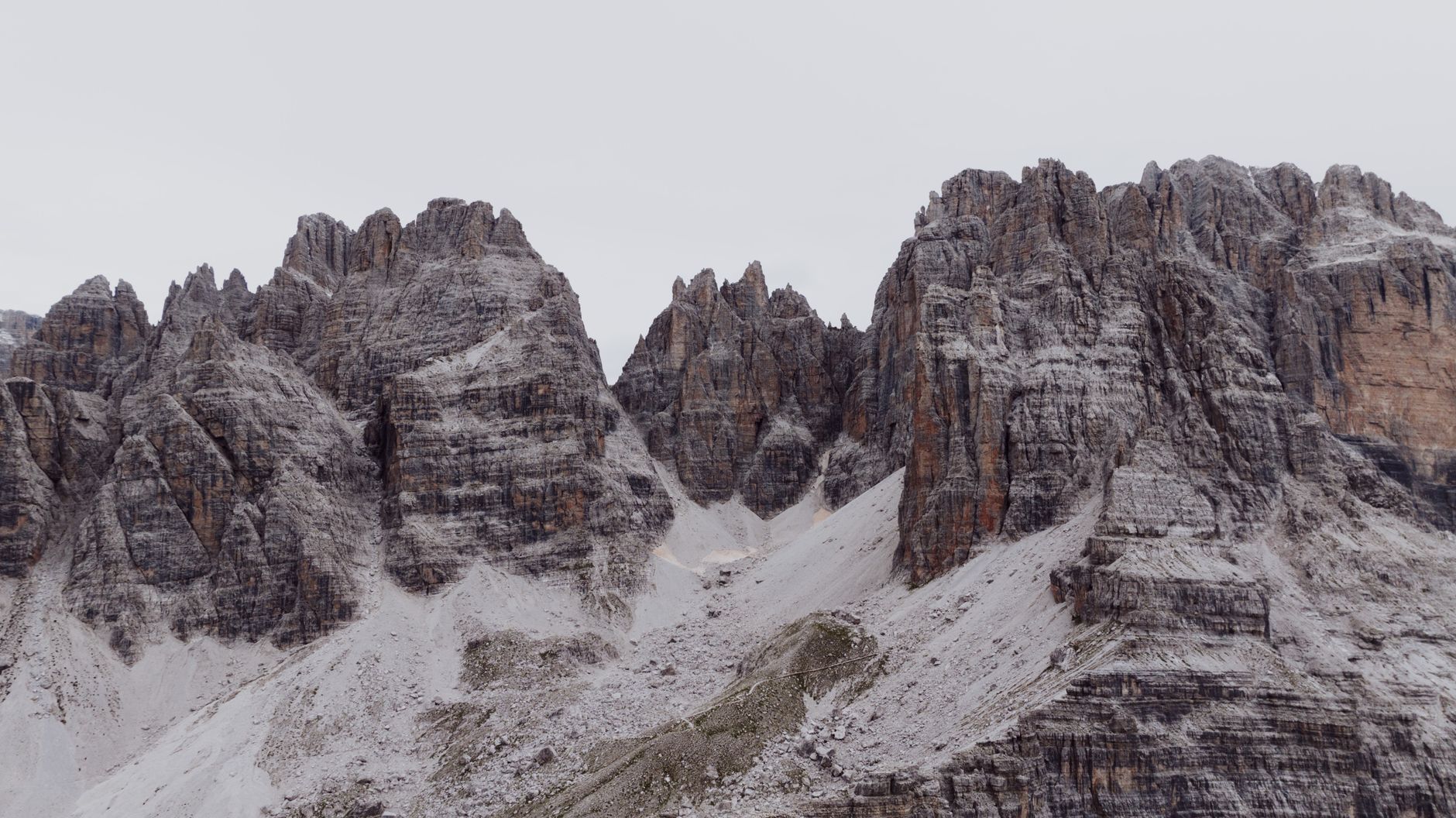
At 2,400 meters elevation, the air carries an alpine sharpness that clarifies every line of the limestone topography.
South Tyrol occupies a remarkable geographic and cultural juncture: German precision meets Italian warmth, reflected vividly in its contemporary mountain refuges. Known regionally as rifugi or Schutzhütten, these structures have evolved far beyond utilitarian timber shacks into feats of ecological and structural innovation.
Architecture in Dialogue with Vertical Rock
Rather than dominating the terrain, leading architects in the region employ local larch wood, granite aggregate, and cantilevered steel that naturally patinates under the fierce alpine climate. Glass facades are engineered to withstand gale-force winds while framing the pink and orange glow—termed Enrosadira—that washes over the peaks during twilight.
“A shelter in the high mountains must not impose itself; it must feel as though it was hewn from the mountain bedrock itself.”
Renewable Living Above the Tree Line
Operating an off-grid shelter demands uncompromising discipline. Photovoltaic cladding, greywater purification systems, and biomass heating enable these sanctuaries to operate with net-zero emissions throughout the summer season. Dining is equally grounded: hearty dumplings (canederli), speck cured with mountain pine needles, and biodynamic mountain wines sourced from high-altitude vineyards below.
For travelers who embark on foot along the Alta Via trails, arriving at one of these timber sanctuaries after a day of climbing offers a sublime transition from wild exposure to quiet refuge.